en
 Български


SubTotal: 00.00 BGN
This site uses cookies to help give you the best possible user experience. By continuing to browse this site you give consent for cookies to be used!
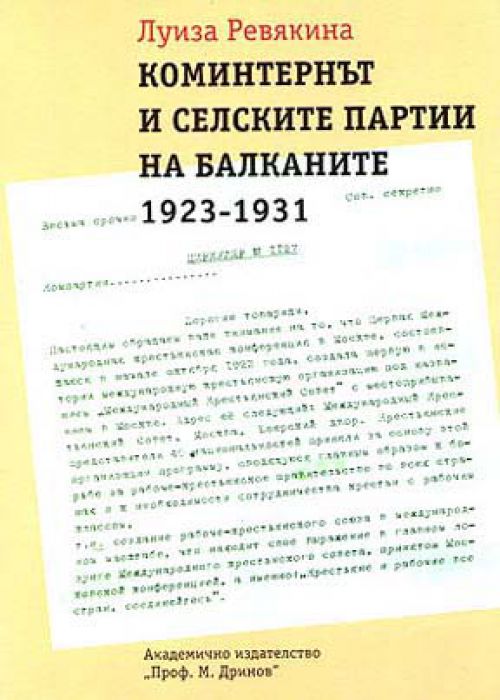
The Comintern and the Peasant Parties
Luiza Revyakina
10 item(s) in stock
Year of Publication: 2003
Cover Type: Soft
Category: History
Edition: First Edition
Pages: 496
Format: n/a
Language: Bulgarian
Summary
The monograph examines the activities of the Comintern in gaining positions among the peasants and their political organizations in order to win them over to the cause of the "world revolution". The most active period of the Comintern's activity in this area is examined: 1923-1931, when the Peasant International (Krestintern) created by it was in operation, with the help of which the Comintern hoped to penetrate the peasant movement. The Comintern's concept of the policy of the communist parties towards peasant parties and organizations is analyzed. On the basis of rich documentary material, its application to the peasant parties in the Balkans is specifically revealed - the Bulgarian Peasant People's Union in Bulgaria; the Croatian Peasant Party, the Farmers' Union and the Agrarian Party in Yugoslavia; the National Tsarist Party in Romania, the Agrarian Party and the Republican Union in Greece. The ways and means of attracting the peasant parties to the side of the communist movement are revealed. The experience of organizing the so-called "peasant committee movement" in the late 1920s and early 1930s is also examined. The reasons for the failure of the Comintern's policy among the peasants and their organizations in the Balkans are clarified.
Аbout The Author
Specifications
ISBN: 954-430-853-9
DOI: n/a
Year of Publication: 2003
Category: History
Edition: First Edition
Language: Bulgarian
Cover Type: Soft
Pages: 496
Weight (kg): 0.600 kg
Format: n/a
Width (mm): /n/a
Height (mm): /n/a
Тhickness (mm): /n/a
Recently Viewed Books